Robocalls in Columbia, Maryland, reflect national trends but with local nuances. Early 2000s saw a surge in telemarketing and political robocalls, leading to "No Call" laws, including Maryland's 2007 legislation. Despite AI advancements, community education by local groups and No Call law firms Maryland have improved residents' ability to identify malicious calls. Maryland's stringent "No Call" laws, enforced by the Attorney General and local police, include a robust do-not-call list, explicit consumer consent requirements, and advanced call tracking technology. These measures have significantly reduced robocalls, offering relief to residents from intrusive marketing. No Call lawyers Maryland play a crucial role in advocating for these protections. Future efforts should focus on advanced call-blocking technologies, educational campaigns, and stronger legal repercussions for violators.
In the digital age, our communication landscapes have evolved dramatically, presenting new challenges with each technological leap. One such challenge is the rise of robocalls, automated phone calls used for marketing or informational purposes that have become increasingly intrusive in everyday life. Columbia, Maryland, like many areas across the country, has grapplled with the influx of unwanted robocalls from various sources, leading to frustration among residents. This article delves into the history of robocalls in Columbia, exploring their origins, the issues they pose, and most importantly, the legal framework that’s emerged, notably No Call laws in Maryland, designed to protect citizens from these automated intrusions.
Evolution of Robocalls in Columbia: Early Beginnings

The history of robocalls in Columbia, Maryland, is a narrative that reflects broader national trends in automated communication, but with unique local dynamics. In the early 2000s, as technology advanced, the first waves of robocalls began to inundate Columbia residents’ phone lines. These early calls were primarily focused on telemarketing and political campaigning, leveraging automated systems to reach large numbers of voters efficiently. The ease and cost-effectiveness of these technologies attracted businesses and political organizations alike, leading to a surge in their usage.
However, the rapid growth of robocalls sparked public outcry, especially as the quality of these automated interactions often fell short of consumer expectations and privacy concerns emerged. In response, Maryland enacted a “No Call” law in 2007, aiming to protect residents from unsolicited calls, particularly those using prerecorded messages. This legislation marked a significant turning point, pushing the industry towards more personalized communication strategies. Local No call law firms in Maryland played a crucial role in educating consumers about their rights and holding offenders accountable.
Despite regulatory efforts, the evolution of robocalls continued apace. With advancements in artificial intelligence (AI) and machine learning, calls became more sophisticated, tailored to individual demographics and behaviors. This period saw an increase in scam robocalls, targeting vulnerable populations with fraudulent offers or demands. Columbia residents, however, have become increasingly adept at identifying these malicious calls, thanks to heightened awareness and community education initiatives led by local consumer protection groups.
Maryland's Response: No Call Laws Unveiled
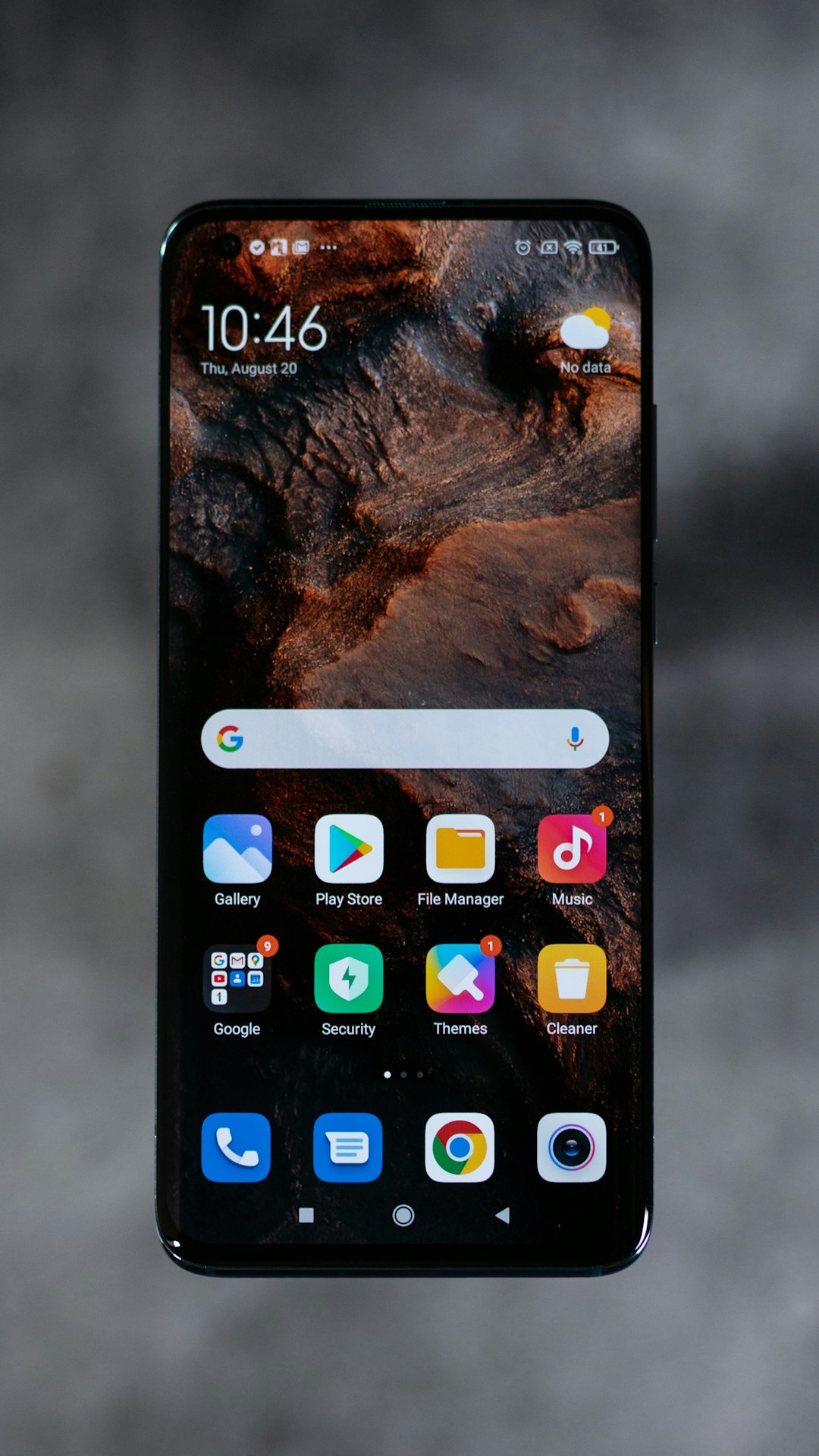
In response to the growing nuisance of robocalls, Maryland has implemented stringent “No Call” laws designed to protect residents from unsolicited telephone marketing calls. These laws have been a game-changer in curbing the deluge of unwanted phone solicitations that often fall into the category of fraud or misinformation. Maryland’s No Call laws are administered by the Maryland Attorney General’s Office, which works closely with local law enforcement to enforce these regulations.
The legislation takes a multi-faceted approach. First, it establishes a comprehensive do-not-call list where residents can register their phone numbers to opt out of most automated marketing calls. This list is regularly updated and enforced by No Call law firms in Maryland, ensuring that telemarketers adhere to the state’s regulations. Secondly, the laws mandate that businesses obtain explicit consent from consumers before initiating robocalls, significantly reducing the number of unsolicited calls. Violations can result in substantial fines, providing a strong deterrent for telemarketers.
To enforce these measures effectively, Maryland has employed advanced call tracking technology and consumer feedback systems. The state’s Attorney General actively prosecutes cases of repeated violations, working with No Call law firms to ensure that businesses comply with the letter and spirit of the law. This robust framework has led to a notable decline in robocalls, offering residents some much-needed respite from intrusive marketing tactics. Additionally, Maryland’s proactive approach has garnered recognition as a model for other states looking to combat this modern-day nuisance.
Impact and Future: Protecting Residents from Robocalls

The proliferation of robocalls has significantly impacted Columbia, Maryland, like many other cities across the nation. With advancements in technology, automated phone systems have become a common nuisance, overwhelming residents with unwanted marketing calls, often disguised as urgent messages. This trend has prompted a collective effort to protect citizens from these invasive practices, particularly in light of the growing number of fraudulent robocalls posing as government agencies or legitimate businesses. Maryland’s response has been twofold: implementing robust regulations and empowering residents through education and access to legal recourse.
In 2019, Maryland enacted a “No Call” law specifically targeting telemarketing calls, granting residents greater control over their phone lines. This legislation allows individuals to register their numbers on the state’s Do-Not-Call list, significantly reducing the volume of robocalls received. The law firm No Call Lawyers Maryland has been instrumental in advocating for these protections and assisting residents in navigating their rights. By providing legal counsel and representation, they ensure that businesses adhere to the new regulations, fostering a safer and more peaceful environment for Columbia’s citizens.
Looking ahead, the fight against robocalls demands an ongoing commitment from both government agencies and private legal entities. As technology evolves, so must the strategies to combat these calls. Implementing advanced call-blocking technologies, improving consumer awareness through educational campaigns, and strengthening legal repercussions for violators are essential steps forward. By combining technological innovations with stringent legal measures, Columbia, Maryland, can lead the way in protecting residents from robocalls, ensuring a more secure and respectful communication landscape.