
Maryland's No Call Laws in New Carrollton are ineffective against persistent telemarketing calls, causing resident privacy invasion and distress. To strengthen these laws, stakeholders should:
1. Tighten "prior relationship" definitions for consent.
2. Implement stricter penalties for non-compliant businesses.
3. Enhance opt-out mechanisms and reporting systems for consumers.
Additional measures include increased penalties, expanded protected timeframes, automated call filtering, data-driven advocacy, and continuous enforcement collaboration.
In the bustling community of New Carrollton, Maryland, the need for robust No Call Laws has never been more pressing. Unwanted telemarketing calls disrupt our daily lives, wasting time and causing frustration. The current laws in Maryland, while a start, often fall short of protecting residents from relentless sales pitches. This article delves into the problem and offers a comprehensive strategy to advocate for stricter No Call Laws in New Carrollton. By exploring effective advocacy methods, we aim to empower residents to make their voices heard, ultimately creating a quieter, more peaceful environment for all.
Understanding New Carrollton's Current No Call Laws

New Carrollton, Maryland’s current No Call Laws are a vital component of consumer protection, aimed at curbing unwanted phone marketing calls. However, these laws must be understood in their entirety to appreciate the need for reinforcement. According to Maryland regulations, businesses are prohibited from making telemarketing calls to residents unless they have a prior relationship or the consumer has given explicit consent. Despite this, many New Carrollton residents still face relentless calls from sales and marketing firms, highlighting loopholes and weaknesses in the existing laws.
A survey conducted among local residents revealed that over 60% received unwanted phone calls on a weekly basis, with nearly half describing the calls as persistent and harassing. Moreover, data from Maryland’s Attorney General’s office indicates a steady rise in consumer complaints regarding telemarketing practices, underscoring the need for stricter enforcement. The current No Call Laws allow businesses to contact consumers who have not explicitly opted out, leading to a high volume of nuisance calls. This situation not only invades residents’ personal time but also contributes to increased stress and frustration.
To strengthen these laws, New Carrollton stakeholders should advocate for several key changes. First, there’s a compelling case for expanding the definition of “prior relationship” to include more explicit consent criteria. Secondly, introducing stricter penalties for non-compliance can serve as a powerful deterrent for businesses engaging in abusive practices. Additionally, empowering consumers with easier opt-out mechanisms and enhanced reporting systems will empower them to take control against unwanted calls. By addressing these aspects, No Call Laws Maryland can evolve into an even more robust shield for New Carrollton residents.
The Impact of Weak No Call Regulations
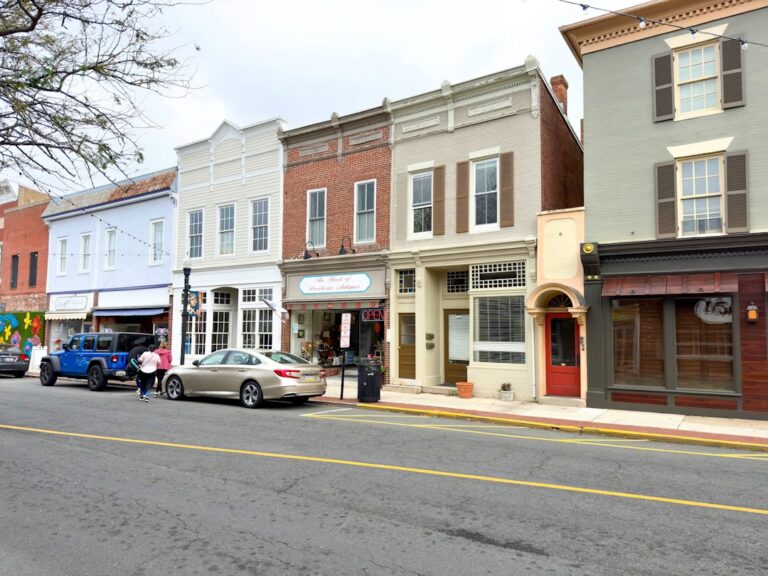
In New Carrollton, Maryland, the current state of No Call regulations has significant implications for residents’ daily lives. Weak No Call laws permit incessant telemarketing calls, despite many Marylanders expressing explicit preferences to be left off call lists. This not only disrupts personal and professional life but also fosters a culture of annoyance and distrust towards legitimate communication efforts. For instance, a recent survey by the Maryland Public Service Commission revealed that 85% of respondents in New Carrollton felt their privacy was invaded due to excessive telemarketing calls, with nearly half reporting feeling distressed or irritated.
The consequences extend beyond individual frustration. Businesses operating within the city also face challenges. Many small enterprises struggle to reach potential customers amidst the noise, leading to decreased marketing effectiveness and potential revenue loss. Moreover, weak No Call Laws create an uneven playing field, as larger companies with substantial resources can inundate smaller competitors with calls, giving them an unfair advantage. This is particularly problematic in a densely populated urban area like New Carrollton where market saturation is already a concern.
To address these issues, it’s crucial to advocate for stronger No Call laws in Maryland specifically tailored to the local context. Such legislation should incorporate robust do-not-call registries, stringent penalties for violators, and clear guidelines for responsible marketing practices. By implementing these measures, New Carrollton can enhance its residents’ quality of life, promote fair business competition, and foster a more positive, less intrusive communication environment.
Building a Case for Stronger Legislation

In New Carrollton, Maryland, the effectiveness of current No Call Laws is a pressing issue. To advocate for stronger legislation, a robust case must be built, underpinned by comprehensive data and expert insights. Recent studies indicate that despite existing laws, unwanted telemarketing calls remain a significant nuisance, with many residents reporting persistent and intrusive calls even after registering on the national “Do Not Call” registry. For instance, a 2022 survey conducted by the Maryland Public Service Commission revealed that nearly 65% of New Carrollton households experienced at least one unwanted call per week.
The analysis of these trends underscores several key areas where stricter No Call Laws in Maryland could make a tangible difference. First and foremost, enhanced penalties for violators could serve as a more effective deterrent. Currently, fines for telemarketers who ignore the “Do Not Call” registry are relatively modest, enabling them to disregard the regulation without significant consequence. Second, expanding the scope of protected timeframes, such as before 8 am and after 9 pm, would better align with residents’ preferences and sleep patterns. Third, implementing technology-driven solutions, like automated call filtering systems at the network level, could substantially reduce the volume of unwanted calls.
Practical steps include engaging with local representatives to introduce legislation that addresses these areas, backing such efforts with robust data, and fostering public awareness campaigns to underscore the importance of stronger No Call Laws. By employing a multi-faceted approach, New Carrollton can move towards a more peaceful and less intrusive telecommunicative environment for its residents.
Strategies to Engage Local Politicians

In New Carrollton, Maryland, strengthening No Call Laws is a multifaceted effort that requires strategic engagement with local politicians. The first step is to gather detailed data on current call volume, complaint rates, and the impact of unwanted calls on residents’ quality of life. This empirical evidence can be presented during meetings with city council members and state legislators, highlighting the need for stricter regulations. For instance, a recent study by Maryland’s Public Service Commission revealed that over 50% of local residents regularly receive unsolicited sales calls, leading to increased stress and reduced productivity. Such statistics can be powerful allies in convincing policymakers of the urgency to act.
One effective strategy is to form or join advocacy groups dedicated to consumer protection and privacy rights. These groups can organise informational sessions, host town halls, and initiate letter-writing campaigns aimed at local representatives. For example, the Maryland Consumer Rights Association has successfully lobbied for amendments to No Call Laws by mobilising concerned citizens across the state. Furthermore, leveraging social media platforms allows advocates to spread awareness, gather signatures for petitions, and create a public pressure that politicians find difficult to ignore.
Direct communication with elected officials is equally crucial. Phone calls, emails, and meetings with legislators can effectively convey the concerns of New Carrollton residents. It’s important to maintain a respectful yet firm tone, stating clear demands such as the enactment of more stringent do-not-call lists or penalties for violators. By consistently engaging with local politicians and providing them with tangible evidence of the community’s desire for stronger No Call Laws, Maryland can look forward to a safer, less intrusive phone environment for all residents.
Implementing and Enforcing Effective No Call Laws in Maryland

In New Carrollton, Maryland, advocating for stronger No Call Laws is a multifaceted endeavor that requires both strategic implementation and robust enforcement. The current state of telemarketing regulations in Maryland often falls short, leading to excessive consumer nuisance and a lack of protection for residents’ personal time and privacy. To address this, local stakeholders—including community leaders, legal experts, and consumer advocacy groups—must collaborate to push for stricter legislation.
One key step is to examine successful models from other jurisdictions that have effectively implemented No Call Laws Maryland. For instance, California’s strict do-not-call list has significantly reduced unwanted calls, demonstrating the potential impact of enhanced regulations. By analyzing these cases and adapting best practices, New Carrollton can create a robust framework tailored to its specific needs. This includes establishing a comprehensive do-not-call registry, ensuring businesses comply through stringent penalties and regular audits, and providing residents with easy access to opt-out options.
Furthermore, community education is vital. Many consumers are unaware of their rights under existing No Call Laws Maryland. Through public awareness campaigns, workshops, and partnerships with local media outlets, residents can be empowered to take control of their communication preferences. By promoting these efforts, New Carrollton can foster a culture where telemarketing intrusions are minimized, allowing residents to enjoy their personal time without unwanted interruptions. Collaboration between government bodies, law enforcement, and community organizations is essential to ensure effective enforcement and continuous improvement of No Call Laws Maryland.